The sea wall and coastal protection of Robin Hood's Bay
The North Yorkshire coast between Staithes and Filey has steep, unstable cliffs made up of layers of shale, sandstone and glacial deposits.
Over time, erosion has shaped the coastline into large bays and valleys, including Robin Hood’s Bay.

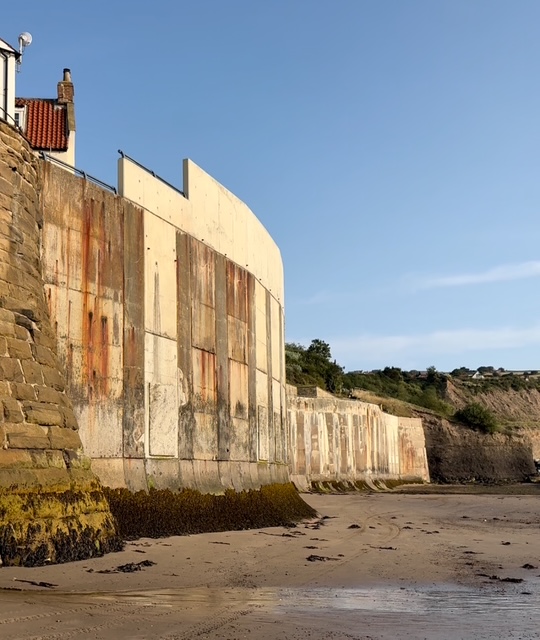
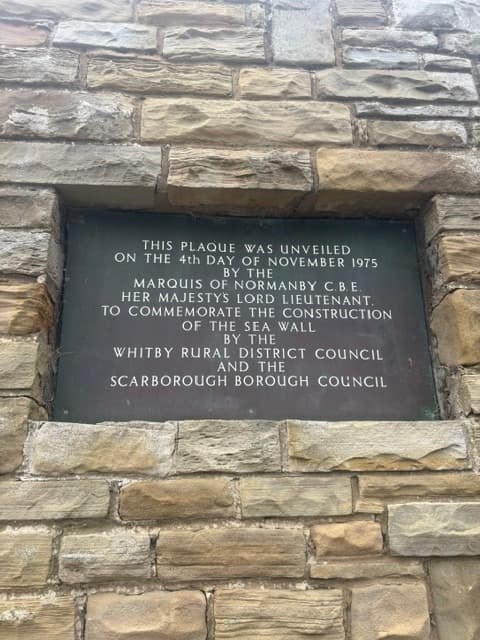
Robin Hood’s Bay’s sea wall is a vital part of the village’s history and its protection against the power of the North Sea.
Built in 1974, it helps protect homes and businesses from coastal erosion and the damage caused by storms. Before it was built, more than 200 properties were lost to the sea between 1780 and 1974, threatening the future of the village.
Waves eroded the base of the cliffs, causing them to become unstable and the cliff tops to retreat. Waves bouncing back off the cliffs also washed beach material away, reducing the natural protection provided by the beach.
As well as the sea wall it was also identified that there was a need for coastal protection and a slope stabilisation scheme.
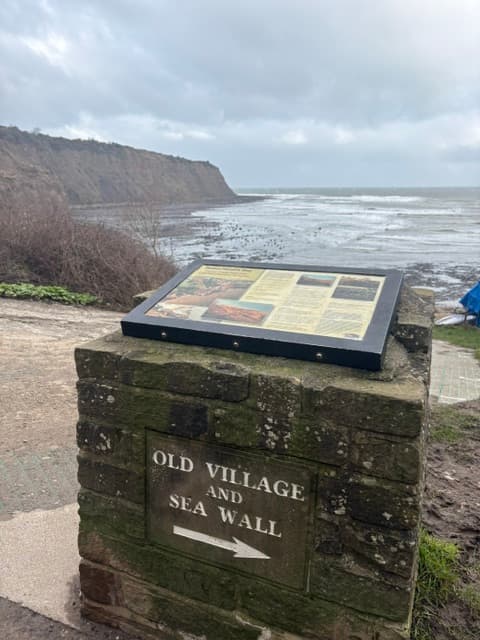
Work on the Robin Hood’s Bay coastal protection scheme began in April 2000, at a cost of 3 million and was completed within 12 months and on budget.
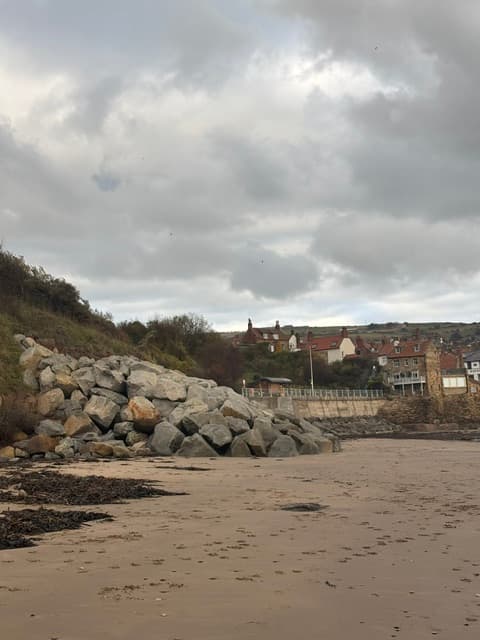
Rock armour was brought by barge from Norway, and new sea defences, concrete walls, drainage systems and deep concrete piles were installed.
The cliffs were also reshaped to improve stability, reduce groundwater and help prevent further landslides and coastal erosion.

The main repair to the sea wall took place in 2023, with a budget of around £1.5 million. The work was carried out by specialist contractors BAM Nuttall and included:
Replacing damaged concrete panels: Around 30% of the wall’s panels, those in the worst condition, were to be replaced, with repairs made to others.
Strengthening the wall: The repairs help protect the structure from further deterioration caused by the harsh coastal environment.
Improving drainage: Better drainage helps water flow away more effectively.
Replacing the handrail: The steel handrail along the top of the wall was replaced.
The work was intended to extend the sea wall’s useful life by around another 50 years, with further maintenance planned in stages over time.
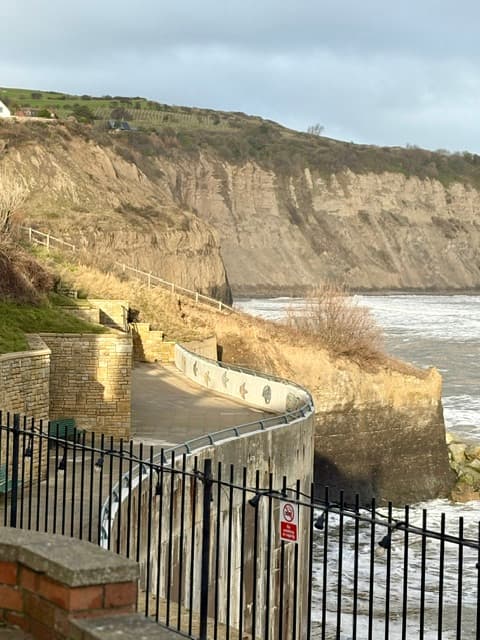
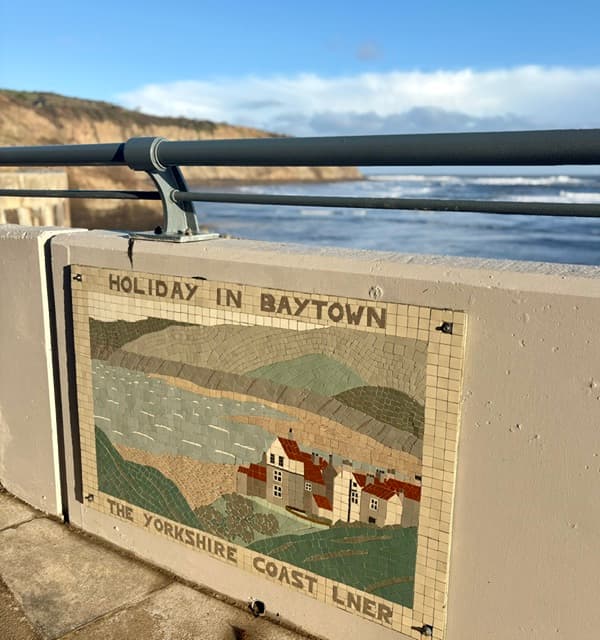
in 2025, the mosaic panels received a revamp. The colourful Story of Bay – Footprints Through Time mosaic panels were restored and reinstalled, bringing the village’s history back to life along this well walked stretch of seafront.
If you haven’t walked along it before, the sea wall offers a quieter, gentler alternative to the steep hill and a lovely way to reach the top of the village.